Carmen Onchain
Technology should work for everyone. I am here to make sure it does.
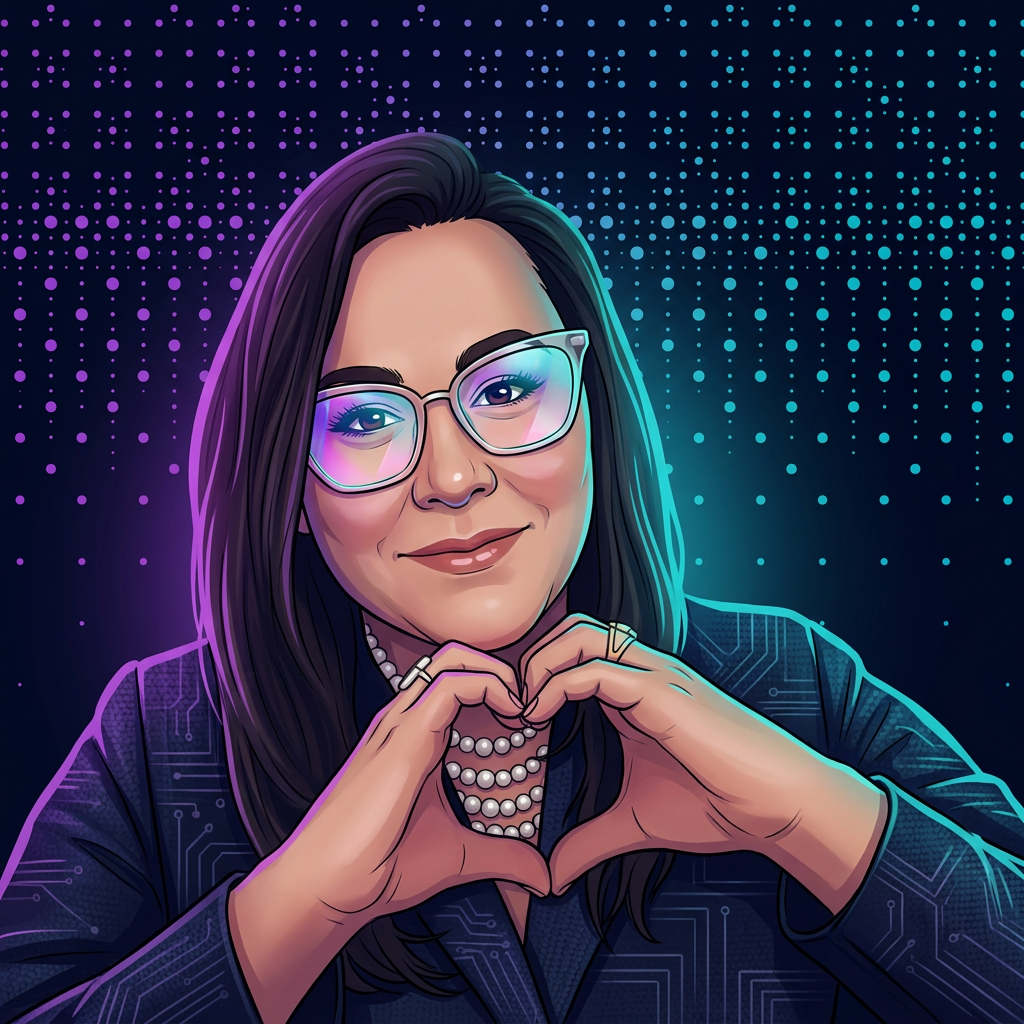
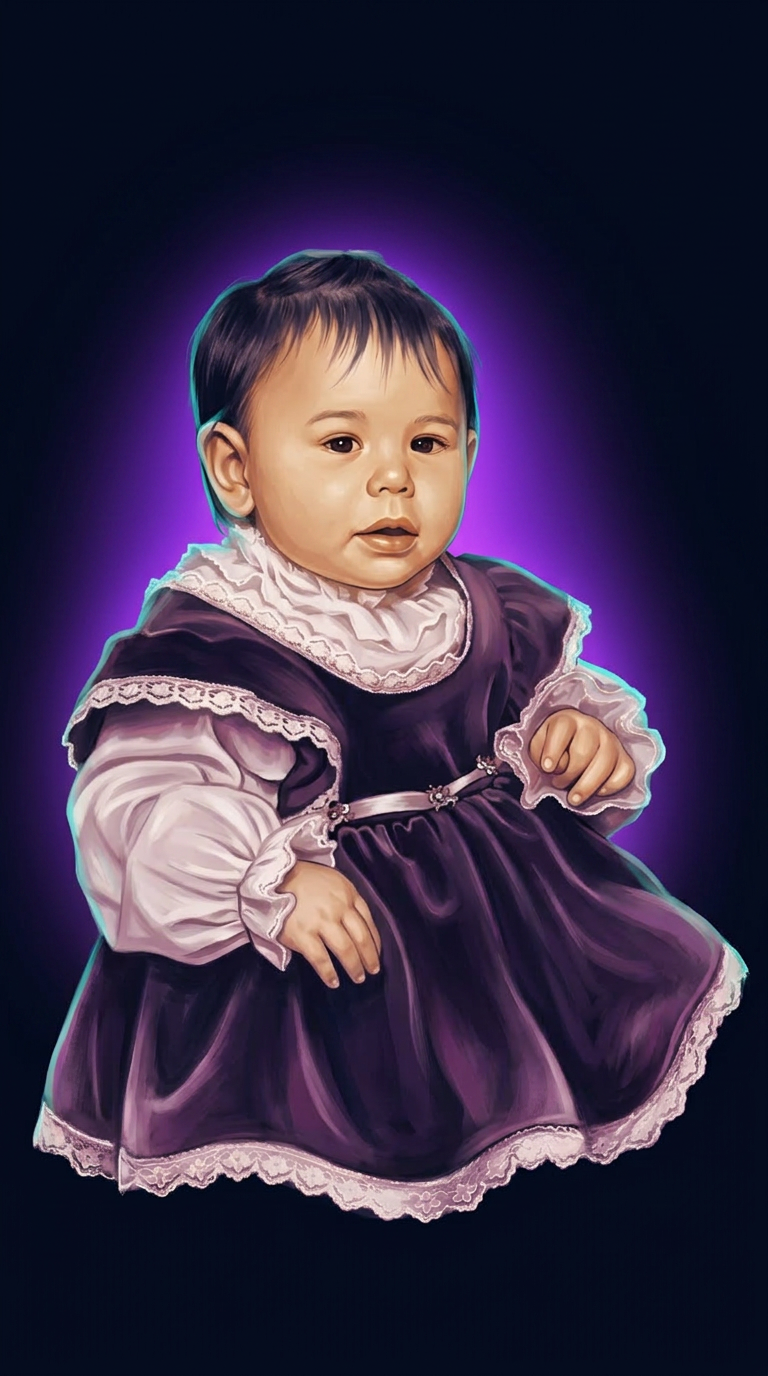
I grew up on Saipan -- 45 square miles of volcanic island in Micronesia, 15 degrees from the equator. Tropical. Remote. Sitting above the Marianas Trench, the deepest place on earth. On the ring of fire. In the corridor where the Pacific's fiercest typhoons are born. Near the waters where we think we lost Amelia Earhart.
It is a place most people cannot find on a map. The people who live there know exactly where they are.
Saipan's history moved through colonial hands before its people voted in 1975 to become a US Commonwealth. That experience -- of being small, being peripheral, being governed by systems designed elsewhere -- shaped how I think about power, technology, and who gets to be in the room when the rules are written.
I was the first woman in my family -- on both sides -- to earn a college degree. The eldest daughter of six. The eldest grandchild among more than forty cousins. When you are the first, you carry something forward for everyone who came before you.
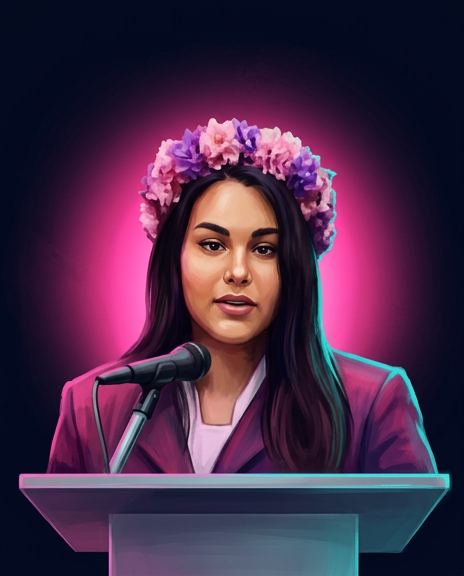
The first time I understood what technology could do for a community, I was sixteen. The year the internet came to Saipan, the only place most people could access it was a small tech center at our local library -- ten computers and one CD ROM tower. I spent that summer working there. I also spent it walking into garment factories -- the anchor of our island's economy, manufacturing clothes labeled "Made in USA" just miles from Asia -- and making the case for why they should invest in the community's future. By the end of the summer, I had raised $40,000. New systems. A new tower. A room full of people who had never been online before, online.
I did not know then that this was a pattern. I just knew the door was open and I wanted everyone to walk through it.
I was valedictorian of Marianas High School, class of 2000, and earned a scholarship to Hawaii Pacific University.
I went to college planning to study genetics. My brother -- two years younger than me -- had Duchenne's Muscular Dystrophy. I wanted to find the cure. In my second year, he passed away at eighteen.
In hindsight, I can see what I could not see then. The longest anyone had lived with his disease was twenty-two. I had been in college for two years. I was two years from a pre-med degree and years beyond that from medical school. I was not naive. I was just ambitious on a scale I had not yet learned to measure.
I finished the degree.
Then I changed direction. I pursued a Master's in Communication -- and it was only in hindsight that I understood what those two degrees together had actually built. A mind trained to find patterns in data and a gift for translating what those patterns meant to other people. In sales, that turned out to be everything. Numbers are a language. Teams are systems. Customers make decisions based on emotion but respond to evidence. I used the scientific method the way other people used intuition -- hypothesize, test, adjust, close. I led teams that consistently overperformed. Not because I was the loudest in the room. Because I could read the room like a dataset and speak to it like a human.
I entered the workforce in retail sales, where the ceiling on what you could build was determined entirely by how well you could connect with another human being.
I was good at that. I still am.
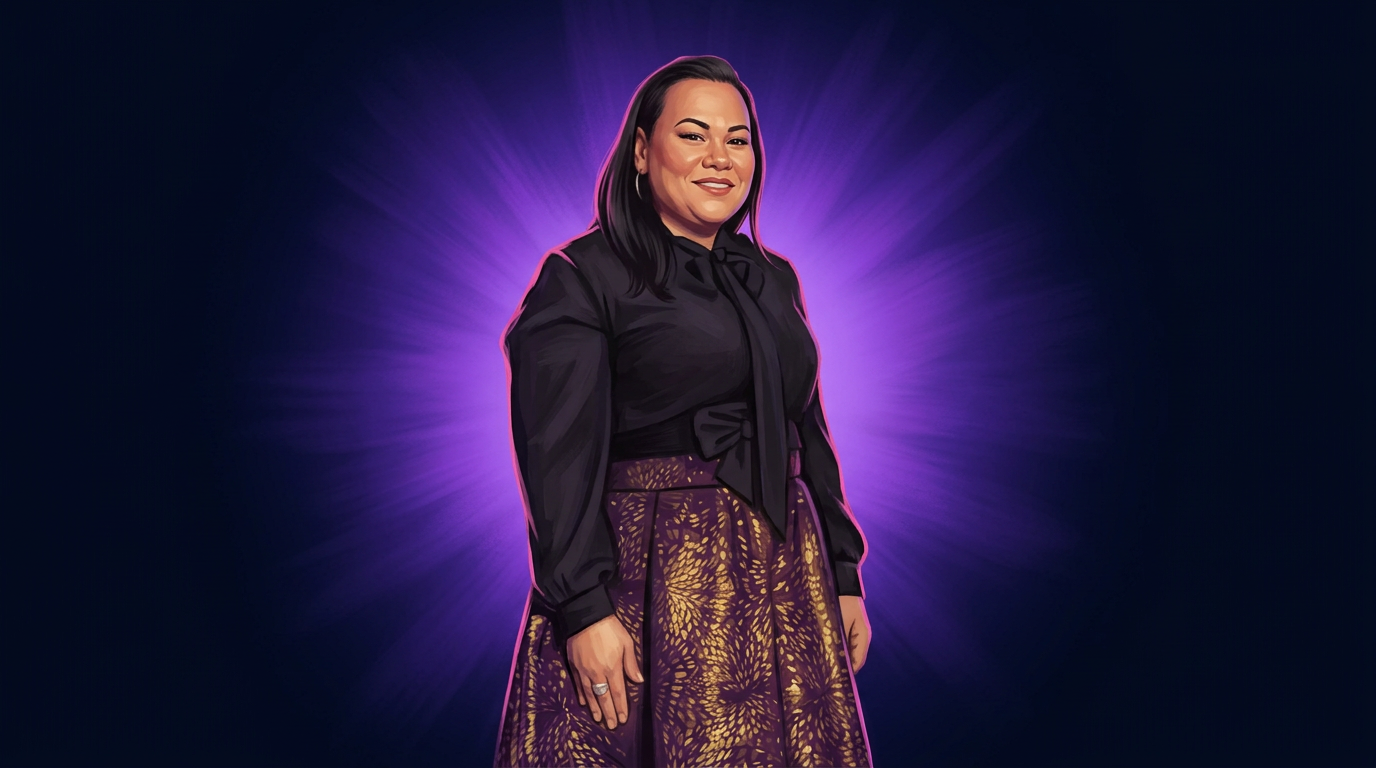
I spent years in industries that were all, in their own way, about helping people cross a threshold into something new.
In wireless, the job description was simple: convince someone holding a Motorola RAZR -- sleek, thin, a 1.3 megapixel camera, the coolest thing they had ever owned -- that they needed to trade it in for a BlackBerry three times as heavy with internet that had no apps, no video, and data plans that cost a small fortune. It was not an easy sell. But it taught me something that no sales training manual ever could: your results live inside other people. My job was not to close deals. My job was to build people who could close deals. I became a servant leader -- someone who knows that their own success is only ever a reflection of the people around them. I created an army of Sidekick phone users. I hit every goal. I earned every recognition. And I loved every minute of it.
In jewelry, the ceiling got higher. Helping a team member close their first six-figure sale -- watching them realize what they were capable of -- that was the pinnacle of everything I had built in corporate life.
And then I hit a wall that success could not fix. I was good at this. Really good. But was this it? Sales is exhilarating, but I was aging into something different. I wanted freedom. I wanted to create. I wanted to learn something completely new. I wanted my life back.
In 2021 I found cryptocurrency -- and I want to be honest about what that was like. I spent my evenings on PancakeSwap buying tokens with names I am not going to repeat here, genuinely unsure whether we were part of a financial revolution or doing something severely illegal. Probably both. Cryptocurrency is a train off the rails and everyone on it knows it and gets on anyway.
I brought my leadership and my professional instincts into Telegram and Discord, and the juxtaposition was deeply uncomfortable. Corporate frameworks do not survive first contact with crypto communities. So I let them go. I became frictionless. I got onto as many teams as possible -- media teams, conference event teams -- absorbing, observing, learning. I worked alongside more than 200 founders doing what I had always done best: business development, partnerships, and revenue strategy. I stood on stages at blockchain conferences. I worked with associations, chambers, government contractors, health companies, and legal organizations.
It takes a certain kind of brave to walk into a space that has no rules yet and decide to build anyway.
The technology changed. The work stayed the same.
Web3 is the idea that the internet does not have to be owned by a handful of platforms. That value, identity, and data can belong to the people who create them. That the rails of the digital economy can be open, transparent, and governed by communities rather than corporations. Blockchain is the infrastructure. AI is the accelerant. Together they are either the most powerful tools for human equity ever built -- or the fastest path to concentrating power in fewer hands than ever before.
I have seen both up close.
I believe that technology is never neutral.
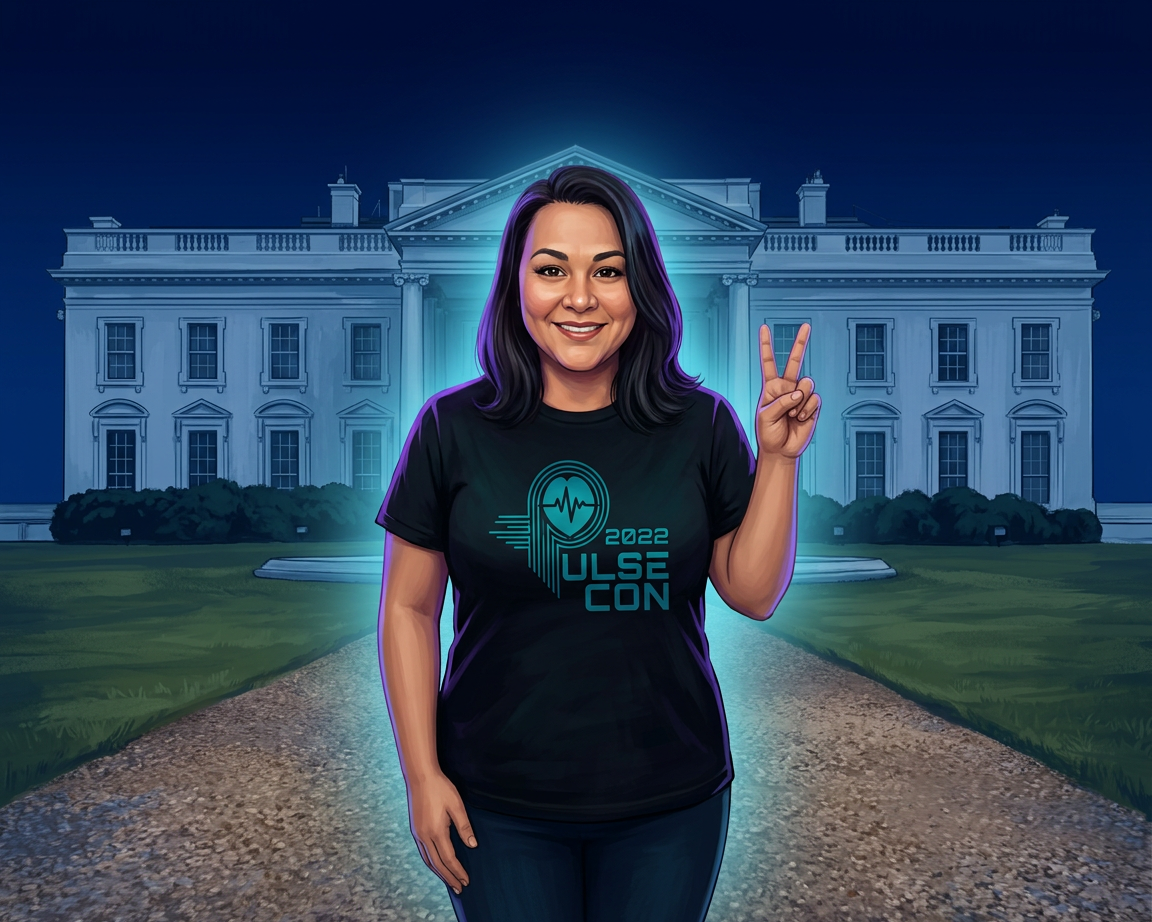
Every system that gets built -- every protocol, every model, every regulation that governs them -- reflects the values and priorities of the people who built it. If the people most affected by that technology are not in the room when it is designed, their needs will not be in the design. That is not a conspiracy. It is just how power works when it goes unchecked.
Having worked across so many corners of this industry -- with no rules, barely any regulation, and an open door for anyone to make or lose everything -- I have witnessed every version of what this technology can become. The best of it and the worst of it. That is not a warning. It is a credential.
Now I work on my own terms. And with that freedom comes a choice I make deliberately: I choose who I work with based on the impact we are making -- for all of us, not just some of us. I write about onchain infrastructure because the rails matter -- who controls them, who can access them, and who gets left out when inclusion is an afterthought. I write about AI regulation and ethics because the rules being written right now will determine whether this technology serves everyone or only the few who already have power. I write about privacy and decentralization because people have the right to own their data, their identity, and their story. I write through the builder's lens because I have stood alongside more than 200 founders and I know what they are trying to build and who they are trying to reach. And I build in public because I am the first in my family to do most of what I do -- and if I can make the path visible, someone behind me can walk it faster.
I invite you to look closely at what is not working. There are solutions we can agree are fair for all of us. Technology innovation can work for everyone.
The technology changes. Being a good human does not.
I am an Aquarius and a Life Path 7. A seeker, a teacher. I believe that is not coincidence.
This is not a content strategy. This is a conviction.
Today I am building Neni -- my personal AI content engine -- and publishing the analysis, playbooks, and conversations that matter at the intersection of blockchain and AI.
How this is made. I use AI to help me work faster, including my own content engine, Neni, and Claude. AI helps me draft and organize; I review, edit, fact-check, and decide what gets published. The ideas, analysis, and opinions are mine, and I hold editorial responsibility for everything here. Some images on the site are AI-generated.
If you are a builder or founder who needs someone who can translate your technology for the humans who need to hear about it, I would love to talk.
Not financial advice. General information only. Read the full disclaimer.